💍 15 Unique Engagement Rings Vintage Antiques
💍 The Bride's Essential Toolkit
Planning, styling, and surviving the big day takes the right gear. These are the 5 must-have items that professional wedding planners and real brides swear by — from flawless dress prep to stress-free organization.
👗 Conair Turbo ExtremeSteam Handheld Steamer
Professional bridal stylists universally rely on this exact steamer to remove every last wrinkle from delicate wedding gowns and veils without risking heat damage. Its powerful continuous steam penetrates heavy satin and tulle layers that flat irons simply cannot handle safely.
📋 The Knot Ultimate Wedding Planner & Organizer
With over 50,000 five-star reviews, this is the definitive organizational bible that real brides credit with keeping their entire wedding on track. It includes checklists, budget worksheets, and timelines that eliminate the chaos and stress of planning every last detail.
💇♀️ Revlon One-Step Hair Dryer & Volumizer
The single most viral bridal hairstyling tool on the market. This award-winning hot air brush delivers salon-quality blowout volume and smoothness in one pass — perfect for bridal party prep when you need gorgeous hair without booking 6 separate stylists.
📸 Fujifilm Instax Mini 12 Instant Camera
The hottest wedding reception trend that guests absolutely love. Place these on each table and watch as your guests capture candid, one-of-a-kind moments that even a professional photographer would miss — instant physical keepsakes your family will treasure forever.
🩹 Wedding Day Emergency Kit
Every experienced wedding coordinator carries one of these. It includes fashion tape, stain remover, sewing kit, pain relievers, and dozens of other tiny lifesavers that prevent wardrobe malfunctions and minor disasters from derailing the most important day of your life.
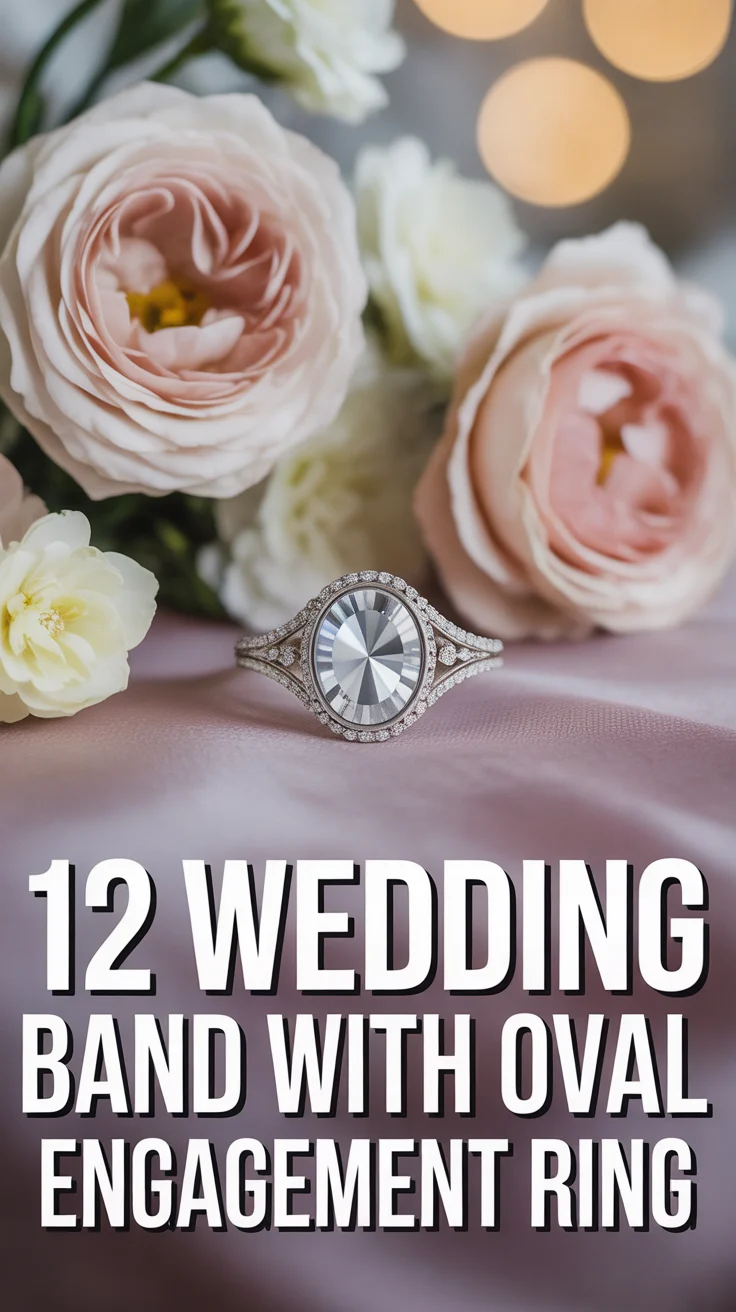
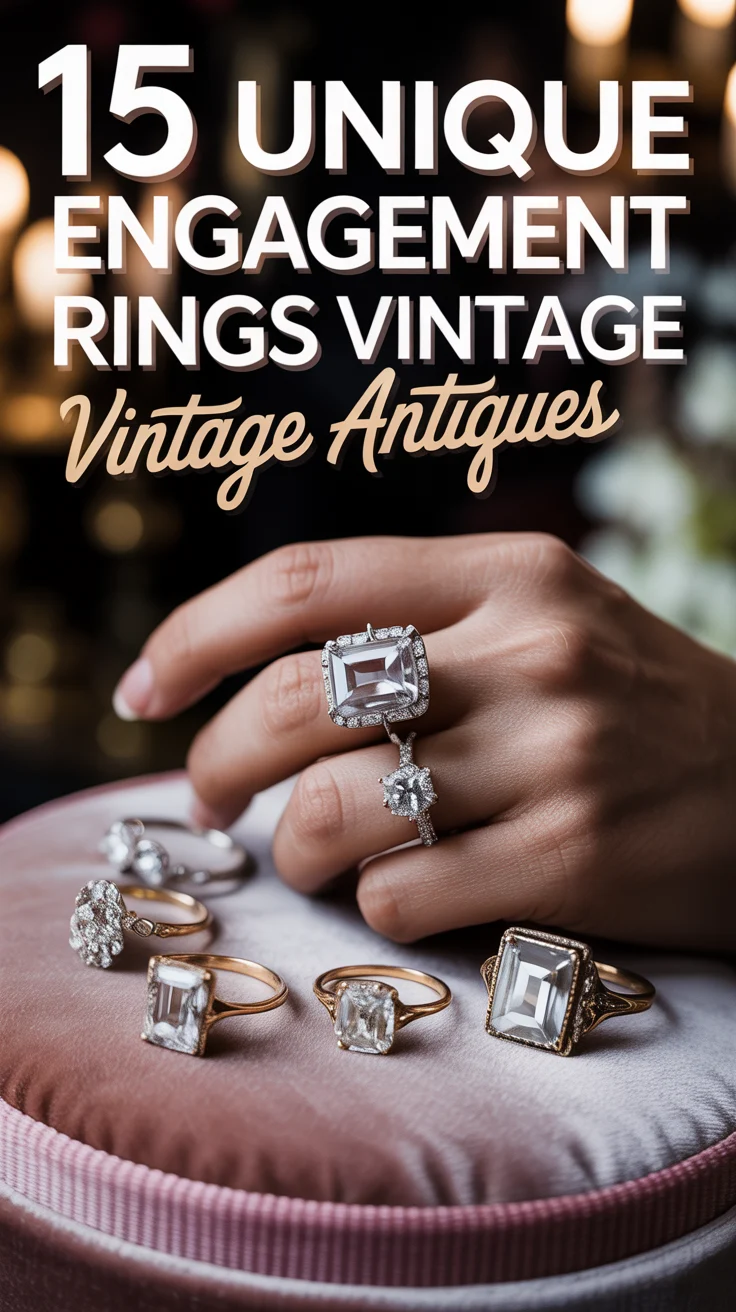
Alright, listen up, future fiancés and ring enthusiasts. If the thought of a mass-produced, straight-off-the-assembly-line engagement ring makes your soul shrivel a little, you’re in the right place. We’re here to talk about the real MVPs of sparkle: those utterly individual, history-soaked, “where did you even find that?!” gems. Ditch the basic. Embrace the brilliant. Your finger deserves a story, not just a stone.
1. Art Deco Geometric Glam
Imagine flapper dresses and roaring twenties parties, but for your finger. Art Deco rings from the 1920s-1930s scream sophistication with their bold, geometric lines and intricate patterns. Think strong shapes, often featuring a central diamond flanked by smaller stones or sapphires. A pro tip: Look for rings with original filigree and milgrain detailing; they’re tiny works of art. This style absolutely slays for someone who loves clean lines and a touch of Gatsby-esque drama.
2. Edwardian Filigree Finesse
Step into the delicate elegance of the early 1900s. Edwardian rings are all about light, airy designs, often crafted in platinum or white gold. They feature incredibly fine filigree work, resembling lace, and often incorporate tiny diamonds or sapphires. Make sure the filigree is intact and not overly worn, as this delicate work can be fragile. It’s perfect for the romantic soul who appreciates intricate beauty and a whisper of history.
3. Victorian Rose Gold Romance
Ah, the Victorian era (mid-1800s to early 1900s). This period gave us some seriously romantic rings, often in warm rose gold. You’ll find motifs like hearts, flowers, and even serpents symbolizing eternal love. Many feature colored gemstones like garnets, amethysts, or opals alongside diamonds. Always check for secure settings, especially with older, softer stones like opals. This is your pick if you fancy a ring with a deep, sentimental story and a cozy glow.
4. Mid-Century Modern Marvel
Fast-forward to the 1940s-1960s. Mid-Century Modern rings are less about delicate frills and more about sleek, sculptural forms. Expect bolder bands, often in yellow gold, with interesting settings that really make the diamond pop. They can feel surprisingly contemporary while still boasting that vintage charm. A smart move is to ensure the stone is well-protected by the setting, as some designs expose more of the diamond. These rings are for the trendsetter who appreciates a timeless, yet slightly unconventional, vibe.
5. Georgian Rustic Charm
Go way back to the 1700s-1830s for some seriously rare finds. Georgian rings often feature hand-faceted stones, like rose-cut diamonds, set in silver or gold. The craftsmanship is wonderfully imperfect, giving each piece a unique, artisanal feel. Due to their age, expect signs of wear and patination; it adds to their character. These are for the true antique lover, someone who cherishes history and a raw, unpolished beauty.
6. Retro Bold & Beautiful
The 1940s brought us the “Retro” era, characterized by big, bold designs, often in rose gold or yellow gold. Think chunky settings, often with ribbons, bows, or scroll motifs, and sometimes featuring synthetic rubies or sapphires alongside diamonds. This era loved volume and drama. Pro tip: ensure any synthetic stones are clearly identified; they should be priced differently than natural gems. This style is an absolute showstopper for those who aren’t afraid to make a statement.
7. Navette (Marquise) Mystique
The Navette cut, more commonly known as marquise, has been around for centuries but really hit its stride in the Georgian and Victorian eras. These elongated, boat-shaped diamonds create the illusion of a longer finger and offer serious sparkle. You’ll often find them set east-west for a modern twist. Always check the tips of the marquise for chipping, as they can be vulnerable. It’s a fantastic choice for someone seeking a unique diamond shape with a regal history.
8. Cluster Ring Extravaganza
Why have one diamond when you can have a dazzling cluster? Cluster rings feature a central stone surrounded by smaller diamonds or gemstones, creating a larger, more impactful look. They were incredibly popular in the Victorian and Edwardian periods. Verify that all stones are securely set and none are loose. These rings give you maximum sparkle for your buck and are perfect for a flamboyant personality.
9. Toi et Moi Twin Sparkle
Meaning “you and me” in French, Toi et Moi rings feature two prominent stones, often different shapes or colors, nestled side-by-side. These symbolic rings gained popularity in the late 19th and early 20th centuries. Ensure the two main stones complement each other well in terms of color and clarity. It’s a deeply romantic choice, perfect for symbolizing two souls intertwining.
10. Bezel-Set Brilliance
While not exclusive to one era, bezel settings—where the metal completely surrounds the stone—were common in older rings, especially Georgian and early Victorian. They offer incredible protection for the stone and a sleek, uninterrupted silhouette. Check for any gaps between the bezel and the stone, which could indicate a loose setting. This style is for the practical yet stylish individual who wants their diamond secure and shining.
11. Emerald Cut Elegance
The emerald cut diamond, with its long, rectangular facets, screams old-school glamour. Popular in the Art Deco era, these stones emphasize clarity and the play of light within the diamond rather than fiery sparkle. Look for a diamond with good clarity, as inclusions are more visible in this cut. It’s the ultimate choice for someone who appreciates understated luxury and a sophisticated gleam.
12. Old Mine Cut Magic
Before modern cutting techniques, we had the Old Mine Cut. These diamonds, common in Georgian and Victorian rings, are characterized by a high crown, small table, and a visible culet (the flat facet at the bottom). They have a charming, chunky sparkle that’s unique. Their hand-cut nature means each one is truly unique. This cut is for the lover of authentic antique charm, someone who values character over modern precision.
13. Asscher Cut Allure
The Asscher cut, a square emerald cut with trimmed corners, was patented in 1902 and became an Art Deco darling. It’s known for its “hall of mirrors” effect, creating mesmerizing flashes of light. Like emerald cuts, clarity is key here. It’s a distinctive choice for those who appreciate symmetry, geometric beauty, and a touch of vintage flair that feels surprisingly modern.
14. Cameo Carved Charm
Okay, not always a diamond, but hear us out. A small, beautifully carved cameo set into a ring, perhaps framed by tiny diamonds, is an unbelievably unique engagement piece. Popular in the Victorian era, these often depict classical figures or portraits. Ensure the carving is crisp and free from significant chips. This is for the truly unconventional, artistic soul who wants a wearable piece of art.
15. Serpent Symbolism
Victorian England, particularly Queen Victoria herself, was obsessed with serpent jewelry as a symbol of eternal love. These rings often feature a serpent coiling around the finger, sometimes with a diamond or gemstone head. Look for intricate scales and well-defined features. It’s a bold, incredibly symbolic choice for someone who wants a ring steeped in history and a powerful message of everlasting commitment.
✨ The Ultimate Reception & Decor Toolkit
Transform any venue from ordinary to unforgettable. These are the 5 décor and celebration essentials that top wedding designers and DIY brides use to create magazine-worthy receptions without blowing the budget.
💡 Twinkle Star 300 LED Curtain String Lights
The single most impactful decoration upgrade for any reception or ceremony. Wedding planners specifically choose these warm-white curtain lights because they create that magical, cascading glow that transforms any venue from ordinary to breathtaking in minutes.
🎂 Kootek Cake Decorating Turntable Kit
If you're creating your own wedding or anniversary cake, this is the all-in-one kit that pastry professionals and home bakers both rely on. The smooth-spinning aluminum turntable and included offset spatulas give you bakery-level frosting results every single time.
🌿 Artificial Eucalyptus Garland Greenery
The number one trending table runner and arch decoration in modern weddings. These ultra-realistic faux eucalyptus vines cost a fraction of fresh greenery, never wilt in the heat, and drape beautifully across sweetheart tables, arches, and staircase banisters.
🏷️ Gold Wedding Table Number Holders
These elegant gold-finish card holders are the tiny detail that elevates a reception from casual to refined. Professional event designers rely on this exact style because they hold table numbers, place cards, and menu displays securely while adding a luxurious metallic accent to every table.
📖 Wedding Guest Book Drop-Top Frame
Forget the traditional guest book nobody ever reads again. This stunning drop-top frame has guests sign wooden hearts that cascade into a beautiful shadow box — a gorgeous piece of wall art you'll proudly display in your home for decades as a permanent memory of everyone who celebrated with you.
Conclusion
So there you have it, folks. Fifteen ways to completely ditch the mundane and slide into forever with a ring that’s as unique and fabulous as you are. Choosing a vintage antique engagement ring isn’t just about finding a pretty bauble; it’s about snagging a piece of history, giving it a new chapter, and making a statement that screams “I’m original, darling.” Go forth, explore, and find that perfect sparkler with a story. Your finger will thank you.